 Translate
Social Values Report 2025–26 | Theme 1: Fostering Integration, Partnerships and Alliances
Hull-hearted support for the best start in life
£1.7 – £4.1 million potential future earnings increase linked to improved breastfeeding outcomes
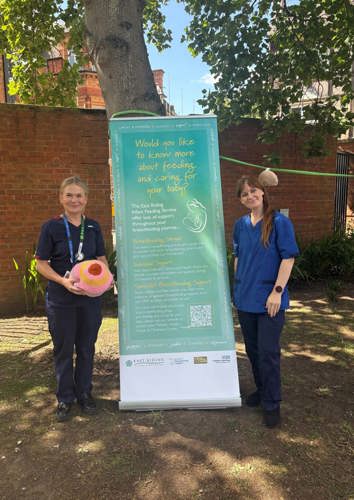
This year, Hull reached a landmark moment in infant health, becoming a predominantly breastfed city. 52% of babies now receive breastmilk at six weeks, marking a significant increase from just 6% in 2008.
This achievement has been made possible through strong partnership working across health, local authority and community organisations. The Hull Integrated Infant Feeding Team has worked closely with Hull City Council, Hull Family Hubs, Goodwin Doula and peer support services to provide consistent, accessible support for families from hospital through to community settings. This coordinated, system wide approach has helped ensure that parents receive the right support at the right time, wherever they are.
In a city where deprivation is high and life expectancy is below the national average, improving breastfeeding rates is a key preventative intervention Historically, breastfeeding rates in Hull were among the lowest in the country, influenced by cultural norms and a lack of visible role models. Addressing this required a shift not only in services, but across communities.
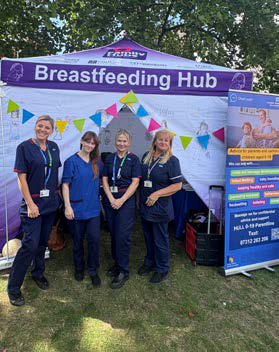
The Infant Feeding Team led training across GP surgeries, charities, schools and community organisations, helping to build confidence and create welcoming environments for parents. Alongside this, public engagement initiatives such as the Hull Milk Trail, a breastfeeding tent at major city events and a city wide exhibition featuring children’s artwork have helped to normalise breastfeeding and embed it into everyday life.
Hull’s progress demonstrates how integrated working, strong partnerships and sustained community engagement can drive meaningful change, transforming social norms and improving health outcomes at scale.
“This is a pivotal moment in our efforts to drive up breastfeeding rates in the City, we are immensely proud of what this means for those infants, their families and the future health of people in Hull. We can now say that Hull is a predominantly breastfed city which is a fantastic achievement.”
Ellie Talbot-Imber, Infant Feeding Lead
Measure of success
52% of babies in Hull receiving breastmilk at six weeks
Fit for sea and for life
This year our SeaFit initiative brought vital health and wellbeing support directly to fishing communities in Bridlington and Hull for another year. The project is an excellent example of the impact of partnership working in reaching people who may otherwise face barriers to care. Delivered in collaboration with The Fishermen’s Mission and the Seafarers Hospital Society, the programme forms part of a wider national effort to improve access to essential health services for seafarers.
In April the SeaFit team hosted events at Bridlington Harbour and the Hull Fishing Heritage Centre, creating accessible, community based opportunities for fishermen and their families to engage with a range of health services. By bringing support into familiar local settings, the initiative helped overcome the practical challenges many seafarers face in attending traditional appointments, including unpredictable working patterns and long periods at sea.
A key focus of the events was improving access to dental care. Through partnership with the charity Dentaid, free dental check-ups and treatments were provided via a mobile dental unit. For many attendees, this was the first time they had seen a dentist in years, with some reporting gaps of over 20 years. By delivering care in this way, the initiative supported early intervention, reduced inequalities and helped address unmet health needs within the fishing community.
The events also offered a wide range of additional support through a multi-agency approach. Organisations provided advice and guidance on smoking cessation, prostate health, physiotherapy, seafarer welfare, substance misuse, gambling support and dementia awareness. This ensured that individuals could access holistic support in one place, addressing both physical and mental health needs.
By working collaboratively and delivering services in ways that reflect the realities of people’s lives, SeaFit demonstrates how strong partnerships can reduce barriers, improve access and deliver meaningful health improvements for communities that are often underserved.
“Bringing services directly to fishing communities makes a real difference. It allows us to reach people who might not otherwise access support and helps build trust, improve health and address long standing inequalities.”
SeaFit partner representative
Measure of success
76 NHS Cardiovascular health checks to identify patients at increased risk for heart attacks strokes and kidney disease. 15 were referred on to their GP for further support.
Top of the Class
The Trust’s partnerships with local schools have grown over the last year, building relationships that go beyond traditional careers talks. This year we worked with 24 schools, helping more young people than ever, understand the breadth of roles within healthcare and supporting them to make confident, informed decisions about their futures.
A standout moment was the “Explore Humber Careers” event, where more than 60 Year 10 students from six schools stepped into the Trust for a day of hands‑on learning. They explored roles across therapy, nursing, pharmacy, and psychological services, gaining a real sense of the teamwork and compassion that underpin our services.
Our Psychological Professions Day welcomed 45 students from Wyke 6th Form College for an immersive look into mental health careers. Through conversations with clinical and forensic psychologists, students gained insight into the realities of the profession. The feedback was overwhelmingly positive, with 100% of students reporting the day was beneficial. As one student shared: *“My favourite part of the day was how open and welcoming all the specialists were… it was inspiring to hear how each of them found their path.”
At Beverley Grammar School, an all‑boys school, we challenged gender stereotypes by showcasing male role models in mental health nursing.
Together, these activities form a cohesive programme of partnership working, strengthening community ties, widens participation, and builds a shared commitment to developing the workforce of tomorrow.
Measures of Success
- 60+ students attended Explore Humber Careers
- 45 students attended Psychological Professions Day
- 00% positive feedback from Wyke College students
“The students were buzzing the next day… it’s given them motivation and focus with their studies.”
Teacher
“The event was very good as I got the opportunity to learn lots of different areas of healthcare.”
Student
Shining a light on local stars
In 2025, Trust charity, Health Stars launched a £200,000 Community Mental Health and Wellbeing Grants programme to support voluntary and community organisations across Hull and the East Riding of Yorkshire.
The grants programme provides funding ranging from £250 to £5,000 to organisations delivering projects that support emotional, mental and physical wellbeing. By investing in community led initiatives, the programme enables local groups to design and deliver support that is tailored to the specific needs of their communities. This approach helps to address wider determinants of health, including social isolation, inactivity and limited access to support networks, while empowering communities to take an active role in improving wellbeing.
A key strength of the programme is its focus on partnership and collaboration. By opening funding to a wide range of voluntary and community organisations, the initiative supports stronger connections across the sector, encouraging shared learning and more coordinated support for local people. This helps to build a more joined up system of care, where individuals can access a variety of support options within their own communities.
Projects funded include a walking group for asylum seekers and refugees in Hull, demonstrating how small, locally delivered interventions can have a meaningful impact on wellbeing and social connection.
This initiative delivers clear social value by strengthening local partnerships, building capacity within the voluntary and community sector and supporting preventative approaches to mental health. By enabling community organisations to provide accessible, locally relevant support, the programme helps reduce inequalities, improve wellbeing and create more resilient, connected communities across Hull and the East Riding.
“We are proud to support local organisations through our Community Grant Scheme. Last year we funded some lovely projects including therapeutic craft workshops to improve mental health and a film club aimed at reducing isolation. We can’t wait to see what amazing projects people we can help fund to create healthier and happier communities in Hull and East Yorkshire.”
Anita Green, Health Stars Charity Manager
Measure of success
£200,000 committed to community mental health and wellbeing through the grants programme
Case Study
Welcome House in Hull provides moral and practical support to asylum seekers and refugees, empowering them to rebuild their lives through a range of activities that helps them integrate and feel connected to their local communities.
The Community Grant funding supported the delivery of a new 12‑week walking social group designed to improve both mental and physical wellbeing. The project offered a safe and welcoming opportunity for participants to explore their local area, build confidence outdoors and form positive social connections.
Feedback from participants following the first walk in January 2026 was overwhelmingly positive. Comments highlighted increased physical activity, the opportunity to meet new people, and discover new parts of the town as the main benefits of the walking social group.
“Thanks to the support of Health Stars, our service users now have the chance to connect with people from a range of communities. By sharing cultures, exploring local heritage and the environment, and coming together around food, participants can enhance their health and wellbeing while strengthening their links with the wider community."
Tracey Scott‑Townsend, Welcome House
Finding their voice – supporting stammering awareness in schools
The Trust’s Speech and Language Therapy team worked in partnership with The Consortium Academy Trust to develop a Stammering Awareness Project aimed at improving understanding and support for pupils and staff across local schools.
The project began at Holderness Academy following a Stammer Awareness Day assembly, where a teacher shared a personal reflection on how stammering had affected their own family and school experience.
The project was co-developed with learners, including those with lived experience of speech disfluency.
The collaboration led to the development of a School Awareness Pack, designed for use across Consortium Academy Trust schools. The pack includes resources for assemblies, visual materials and a short film co-produced with learners, ensuring that content is relevant, accessible and grounded in real experiences. These resources support staff to create more inclusive classroom environments while helping pupils to better understand communication differences.
As part of the ongoing work, a dedicated workshop was held at Holderness Academy for learners with speech disfluency, alongside their families and friends. Timed around Stammer Awareness Day, the session provided a supportive space to share experiences, build confidence and strengthen peer and family support networks.
This initiative delivers clear social value by promoting inclusion, reducing stigma and improving understanding of communication differences within schools. By combining clinical expertise with lived experience and strong partnership working, the project helps ensure that young people feel heard, respected and empowered.
“Being part of this project has helped me feel more confident in myself and proud to share my experience. It’s important that people understand stammering and know how to support others.”
Student participant
Measure of success
Over 1100 views of ‘Just Listen’ video on Youtube


