
 Translate
Social Values Report 2025–26 | Theme 2: Enhancing Prevention, Wellbeing and Recovery
Recovery in Action: Learning That Changes Lives
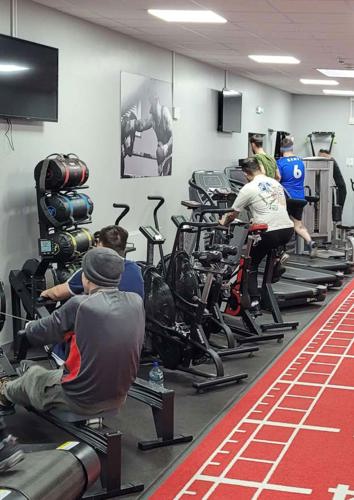
The Humber Recovery & Wellbeing College provides free, accessible learning opportunities that support people to improve their wellbeing, develop skills and build confidence. Operating across Hull, East Riding and the wider Humber region, the College offers co‑produced courses designed and delivered by people with lived experience alongside practitioners. This approach ensures content is relevant, supportive and grounded in real experience.
Sessions are delivered in community venues and online, increasing accessibility and enabling people to engage in a way that suits their circumstances. The Youth Recovery & Wellbeing College extends this offer to young people, providing early support that helps build resilience and positive coping strategies.
Feedback from students consistently shows improvements in confidence, social connection and sense of control over their lives. Many participants go on to volunteer, co‑facilitate courses or take part in wider community activities, contributing to stronger local networks and increased community capacity.
The College delivers social value by improving wellbeing, reducing demand on statutory services and strengthening community resilience. Its model supports people to build meaningful, sustainable improvements in their lives and contributes positively to the health and wellbeing of the wider region.
Independent evidence from the national RECOLLECT research programme demonstrates the wider impact of Recovery Colleges. The study found sustained improvements in wellbeing, reduced use of crisis services and fewer hospital admissions for students, resulting in significant cost savings for the NHS. Findings indicate an estimated saving of more than £5,000 per student in the year following enrolment and an eight‑to‑one return on investment
Case Study - Finding Confidence Through Connection
The Humber Recovery and Wellbeing College is helping people build confidence, develop new skills and create meaningful connections through a wide range of recovery focused learning opportunities.
Kwesi first accessed the College after being recommended its Boxing for Health sessions through PSYPHER. At the time, he said he lacked motivation and wanted support to become healthier, but the opportunity to attend free sessions gave him a starting point.
Since joining the College, Kwesi has developed new interests in photography and fitness, while also becoming more open about his mental health and recovery journey. He describes the College as helping him leave the house more often, build relationships with other students and practitioners, and develop friendships that now continue outside of sessions.
Kwesi also reflected on the significant impact the College has had on his confidence and sense of purpose. When he first joined, he felt nervous, struggled to socialise and lacked confidence around other people. Through regular attendance, particularly at football sessions, he says he now feels more confident, connected and positive about the future.
Importantly, Kwesi hopes to use his own lived experience to support others who have experienced psychosis, highlighting how recovery can also empower people to help their communities and peers.
His experience reflects the wider impact of the Recovery and Wellbeing College in creating supportive spaces where people can improve wellbeing, reduce isolation, develop skills and build positive relationships as part of their recovery journey.
Measure of success
RECOLLECT research programme findings indicate an estimated saving of more than £5,000 per student in the year following enrolment and an eight to one return on investment.
“The RWC has saved me and I cannot speak highly enough of my gratitude for the sessions and the staff “
Dennis, College Attendee
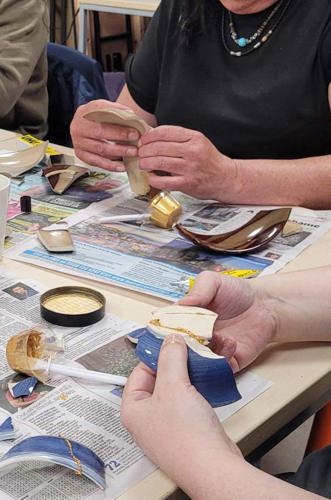
Connecting communities to improve health and wellbeing
The East Riding YOURHealth Health and Wellbeing and Connector Service, delivered by Humber Teaching NHS Foundation Trust, continues to demonstrate the value of prevention and community-based support in improving population health.
Social prescribing works alongside traditional healthcare to address the wider factors that influence health, including financial pressures, housing concerns, social isolation and mental health. By taking a holistic approach, the service supports individuals to build resilience, improve wellbeing and reduce the risk of developing long term health conditions. A key part of this model is connecting people with local groups, services and activities, helping them to build social networks and access support within their own communities.
To mark national Social Prescribing Day 2025, the service brought together local residents, community organisations and partners to highlight the vital role social prescribing plays in supporting people’s overall wellbeing.
Throughout the week, a range of events showcased the breadth of voluntary, community and social enterprise support available. These events created welcoming, inclusive spaces where residents could explore opportunities to improve their health, connect with others and feel part of their local community.
In Goole, residents took part in gentle exercise sessions and creative workshops providing opportunities to relax, build confidence and meet new people. In Cottingham, wellbeing walks and exercise classes supported both physical health and social connection. In Bridlington, “Meet the Provider” sessions brought together organisations offering support with employment, stress management and mental health, while dedicated sessions for carers created space for peer support and shared learning.
“[accessing the social prescribing service] helped me a lot because going for walks and having a chats was great and letting me know about all the different services. You brought me out of dark times when I wasn’t feeling great. Making sure I was getting something eat because I was really going out and now, I’m using the pantry service. It is so nice that you have called to check in a months after my appointment to see if I need any more support”.
YOURhealth client
Measure of success
YOURhealth referrals 2025/6 - 1336
From Classroom to Career
The Trust’s work experience and T Level programmes play a vital role in supporting young people to gain meaningful insight into healthcare careers, develop practical skills and build confidence as they prepare for future employment.
These placements give students a realistic, hands‑on understanding of what it means to work in healthcare, whether in clinical environments, community settings, or essential non‑clinical roles.
This year, the team supported 24 work experience placements and 61 T Level placements, delivering over 4,200 hours of real‑world learning. Each placement is designed to be supportive, engaging, and confidence‑building. Students step into professional environments, develop practical skills, and gain a deeper understanding of the values that underpin compassionate care.
By offering these opportunities, the Trust is not only supporting individual growth but also strengthening community understanding of health, prevention, and recovery. These early experiences help young people see themselves as part of the healthcare workforce of the future.
Measures of Success
4,200 hours of real‑world experience
"This experience has really helped me understand what it is like to work in a hospital environment… the insights I gained have been invaluable”.
Matilda, placement student at Whitby Community Hospital
From Surviving to Thriving: Peer Support in Action
People experiencing homelessness often face some of the greatest barriers to accessing mental health support, despite being at significantly higher risk of poor physical and emotional wellbeing.
The Homeless Mental Health Team has long worked to bridge this gap by offering flexible, person centred support to individuals who are street homeless, rough sleeping, living in hostels or at risk of losing their accommodation. This year, the team strengthened its approach by introducing peer led support groups, to support service users to connect with others and build confidence.
The idea came directly from the people they support. Many shared that while clinical appointments were essential, they also needed a safe, informal space to talk openly, share experiences and learn from others facing similar challenges. In response, the Peer Support Worker and Lived Experience Co-ordinator co designed two monthly groups, held in a central, welcoming location and shaped entirely by those who attend.
The first group supports people transitioning in and out of the service, a time often marked by uncertainty, instability and heightened vulnerability. The second focuses on housing sustainment, helping individuals maintain accommodation, navigate tenancy pressures and build the resilience needed to avoid returning to homelessness. Both groups place lived experience at the heart of every conversation, ensuring that support feels relevant, authentic and grounded in real world understanding.
Since launch, attendance at the pre and post discharge group has grown, participants report feeling more confident, less isolated and better able to manage day to day challenges. Several have gone on to take part in additional activities, including sharing their experiences to help shape service development.
Measure of Success
25 people attended drop in support groups.
‘I don’t see my worker every week, but I know that the group is on if I need a bit of extra support between appointments. I also like talking to others and sharing my own journey’
SM - Rough Sleepers
Calm in the Storm: Mental Health Training for Lifeboat Teams

The Mental Health Liaison Service partnered with lifeboat charity, Humber Rescue to deliver a collaborative training session designed to support volunteers responding to emergencies on the water. The session provided an opportunity to equip frontline volunteers with the confidence and understanding needed to respond effectively in emergency situations.
The Mental Health Liaison Service delivers 24/7 specialist support to people presenting with mental health needs at Hull Royal Infirmary and Castle Hill Hospital. By providing assessment and care within the hospital setting, the team ensures individuals receive timely and appropriate support at the point of need.
During the session, Humber Rescue volunteers explored the types of scenarios they may encounter during callouts, gaining insight into how mental health distress can present in different ways. Discussions focused on the role of communication, personal history and life circumstances in shaping behaviour, supporting volunteers to approach situations with greater empathy and awareness. The training also provided an overview of care pathways, including the role of inpatient services, the difference between informal and formal admissions and how emergency services work together to support individuals in crisis.
Humber Rescue volunteers shared their frontline experiences, reflecting on the complexity and unpredictability of incidents they attend. This created a richer, more informed discussion, highlighting the shared commitment across both teams to safeguarding individuals at their most vulnerable.
This collaboration delivers clear social value by strengthening partnerships between health services and emergency response organisations, improving the quality and coordination of care for people in crisis. By building understanding and confidence among volunteers, the initiative supports more compassionate, informed responses that can reduce distress and improve outcomes at critical moments.
“Working together like this helps us better understand the people we are supporting and ensures we respond with compassion and confidence in challenging situations.”
Humber Rescue volunteer


