
 Translate
Social Values Report 2025–26 | Theme 3: Developing an Effective and Empowered Workforce
The Power of Giving: Celebrating Our Volunteers
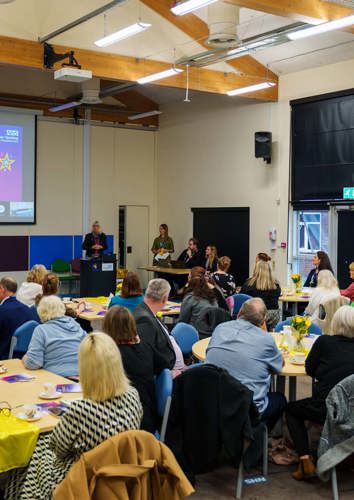
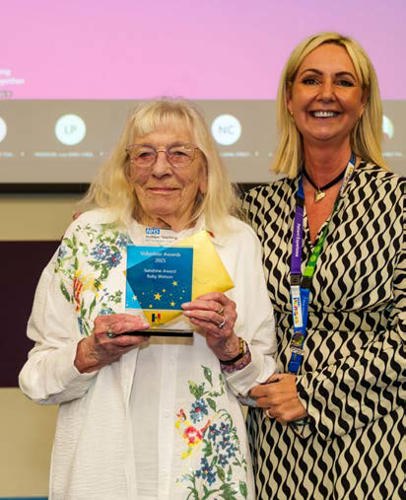
Our dedicated volunteers give their time, energy and compassion to support staff and patients across a wide range of services, For the first time in 2025, this contribution was recognised and celebrated at a dedicated Volunteer Awards ceremony.
For many years, volunteers had been included within the Trust’s annual Staff Awards. However, with the growing scale and impact of volunteering across services, it became clear that a dedicated event was needed to properly recognise the breadth and depth of their contribution. The awards created an opportunity to celebrate the many different ways volunteers support the organisation, from providing comfort and companionship to patients, to offering practical support behind the scenes.
The winners represented the diversity, commitment and generosity that volunteers bring to the Trust, highlighting how their contributions enhance both patient experience and staff wellbeing.
Funded by the Trust’s charity Health Stars, the awards demonstrated how partnership working and charitable support can help strengthen workforce culture and recognition.
“Your generosity not only supports our staff but also helps to create a stronger, kinder and more inclusive NHS. On behalf of the Trust, I want to thank you for the time, energy and compassion you give. These awards are a small way of recognising the big difference you make every day.”
Michele Moran, Chief Executive
Measure of success
93 volunteers supported the Trust over 2025/26
5630 volunteer hours of volunteering recorded over the year.
From Cadet to Career
In December 2025, 29 young people graduated from the Humber NHS Cadet Programme, marking the successful completion of the Trust’s third cohort.
Funded by NHS England and delivered in partnership with St John Ambulance, the programme provides young people aged 15 to 18 with a structured introduction to careers within the NHS, combining hands on experience, employability skills and life saving first aid training.
The programme is designed to support young people who may face barriers to accessing traditional opportunities, including those from diverse backgrounds, neurodivergent young people, disabled individuals and those not currently in education. By creating an inclusive and supportive environment, the programme helps participants build confidence, develop skills and broaden their aspirations for the future.
Colleagues from across the Trust, including teams from Work Experience, Volunteering and Adult Learning Disability Services, played a key role in delivering the programme. Through guest sessions and engagement activities, they showcased the wide range of roles available within the NHS, helping young people to better understand the opportunities open to them and see a potential future within the organisation.
“I really enjoyed learning about the variety of careers in the NHS and having guest speakers join the sessions. It really helped when exploring my options in further education. It was also excellent to meet others on the programme and the coordinators.”
Brooke, NHS Cadet Graduate
Measure of success
29 young people successfully graduated from the programme
Healthy Staff, Healthier Communities
The Trust’s Workforce Wellbeing Team provides colleagues with access to Physical Health MOTs, wellbeing advice and one to one support designed to help staff better understand and improve their physical and mental wellbeing. Through health checks, practical guidance and ongoing support, the team supports colleagues to access early intervention and make positive lifestyle changes that impact them at work and at home.
Feedback from colleagues shows the impact that early intervention and preventative support can have, both inside and outside of work. One member of staff described how a routine blood test identified previously undiagnosed Type 2 diabetes, leading them to seek treatment and make significant lifestyle changes. Within a year, they had lost 30 kilograms, improved their blood sugar levels and regained their energy and confidence. Others shared how MOTs had helped identify high cholesterol and underlying heart problems before symptoms appeared, allowing them to access treatment earlier and improve their long-term health.
Colleagues also spoke positively about the supportive and non-judgemental approach taken by the team, particularly around sensitive issues such as weight management and wellbeing. Many described feeling motivated to make positive changes after receiving clear advice, encouragement and practical support.
Alongside the MOTs, one to one wellbeing support has provided colleagues with a safe and confidential space to talk openly about stress, work life balance and personal wellbeing. Staff highlighted the value of having someone neutral to listen, alongside access to practical tools and resources that helped them feel calmer, more balanced and better able to cope both at work and at home.
By investing in the wellbeing of our workforce, we are helping people stay healthier, remain connected to work and feel better equipped to support the people around them, while also strengthening a healthy and resilient workforce for the future.
Measure of success
526 Physical Health MOT’s delivered in 2025/26
“Thanks to my test last year which indicated high cholesterol, visiting the doctor’s & getting statins it is now below half & only between 3-4. The MOT has helped identify the necessity for 3 heart stents, but I had no symptoms! My MOT is now a reminder of how well I am & helps me maintain a positive perspective of what I do. Thank you, team.”
Apprenticeships Build Bright Futures
Apprenticeships continue to be one of the Trust’s most powerful tools for developing a skilled, confident, and sustainable workforce. Over the past year, we have supported 94 new apprenticeship starts and celebrated 56 completions, each one representing a personal journey of growth, ambition, and achievement.
These programmes offer staff the chance to gain recognised qualifications, build new skills, and progress into roles they may never have imagined possible.
This year, we expanded our offer with new apprenticeship standards, including Dietitian Level 6, Painter and Decorator Level 3, and Arts Therapy Level 7. These additions reflect the breadth of opportunities available across the Trust and our commitment to supporting development in both clinical and non‑clinical areas.
Apprenticeships are more than training programmes, they are a long‑term investment in people. They help us retain talent, grow our own workforce, and ensure we have the skills needed to meet the evolving needs of our communities.
Measures of Success
56 apprenticeship completions
“My apprenticeship gave me the confidence to take the next step.”
Lived Experience, Lasting Impact
This year, two powerful initiatives brought lived experience directly into the classroom, helping future healthcare professionals.
The Complex Emotional Needs Service and Experts by Experience co-delivered three teaching sessions for Hull University’s Clinical Psychology Doctoral students. Students had previously shared that hearing directly from people with lived experience made challenging topics more accessible and meaningful. In response, the team created sessions that blended clinical knowledge with personal narratives, giving students a richer, more grounded understanding of complex emotional needs.
The Medical Education department supported Expert Patients to co facilitate sessions for first year medical students at Hull York Medical School. These sessions offered students the chance to hear firsthand what it feels like to access mental health care, ask questions and reflect on the human side of clinical practice. The insights shared added depth and real world context to their learning, helping them understand the importance of communication, compassion and partnership.
Feedback across both initiatives was overwhelmingly positive. Students consistently reported that lived experience led teaching enhanced their learning, increased their confidence and encouraged deeper reflection on their own assumptions and approaches.
One doctoral student captured the impact clearly: “The lived experience perspectives as well as the clinical insight were brilliant and provided a rich understanding.”
Experts by Experience also described the work as meaningful and empowering. One shared: “I really enjoyed being involved in delivering the teaching and felt that my experiences and contributions were genuinely valued.”
Measures of Success
Three lived experience led teaching sessions delivered to Clinical Psychology Doctoral students
“The lived experience perspectives as well as the clinical insight were brilliant and provided a rich understanding.”
“It was rewarding to see the students so engaged and to know that sharing aspects of my story might help shape more compassionate care in the future.”


