
 Translate
Mental Health Awareness Week 2026 - Nikki’s Journey
Published: 11 May 2026
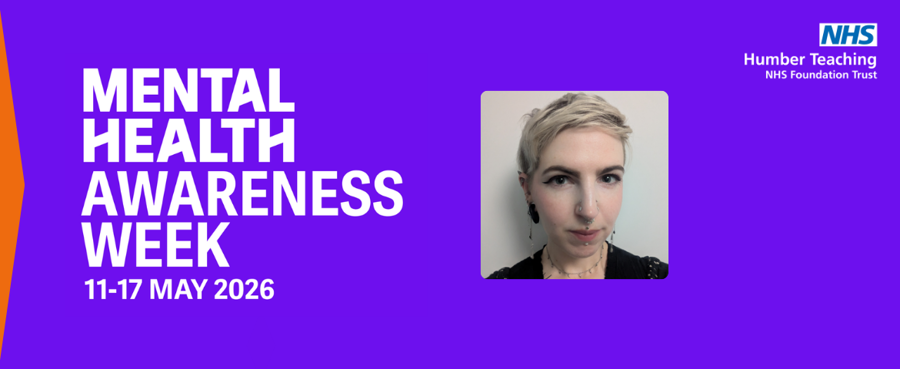
Mental Health Awareness Week runs from 11 May to 17 May 2026. This week is an opportunity to celebrate the journeys taken in mental health and highlighting how each journey is unique. Nikki has shared her journey with her own mental health and how accessing services has led her to the role she currently has within the Trust as a Lived Experience and Co-Production Lead. Her work is now pivotal in how the Trust incorporates the voice of the people we care for and ensures mental health services meets the diverse needs of service users and carers.
1. Would you be comfortable sharing a little about your journey with mental health support, in your own words?
I have lived with mental ill‑health for most of my life. For many years, I kept my struggles to myself and found it incredibly hard to ask for or accept help. As someone impacted by trauma, I struggled to trust professionals, to be open and honest about what I was experiencing, and to articulate what I needed.
In the years around COVID, my mental health deteriorated significantly, and I had extensive contact with Humber mental health services, including three inpatient admissions within a two‑year period. Some of those experiences were frightening and re‑traumatising, particularly when I felt unsafe, overwhelmed or unsure of what was happening. However, I also experienced care that made a profound difference to my life, especially when professionals took time to build trust, treated me as a person beyond my mental health difficulties, and worked collaboratively with me.
Following my final hospital admission, I was referred for Dialectical Behaviour Therapy, which completely changed and saved my life. One of the goals I set as part of my recovery was to use my lived experience to contribute to improving mental health services for others.
2. Is there anything you would want professionals to understand better about what it feels like to be on the other side of care?
Accessing care often felt terrifying, exposing and deeply vulnerable. Many people are engaging with services at the worst point in their lives, and may be carrying fear, shame and internalised stigma about needing support. For me, trust certainly didn’t come automatically, it had to be earned slowly and safely.
In my experience, small things matter far more than professionals may realise - being listened to, not feeling rushed, having choices, being believed, and being involved in decisions about my own care all seem simple but have not always been a given in my experience, and yet they all make a huge difference.
It’s important that professionals understand the lasting impact that experiences of care can have, both positive and negative. Compassionate, trauma‑informed relationships can be life‑changing, yet unhelpful interactions can stay with someone long after contact with services has ended.
3. How did the opportunity to work for the Trust come about?
After taking a break from employment to focus on my mental health recovery, I wanted to find a way to give something back to the services that had supported me. Through my therapist, I learned about the Trust’s Adult Mental Health co‑production group and opportunities to get involved as an Expert by Experience.
My first Expert by Experience opportunity was with the Culture of Care programme, working alongside the ward team on Avondale, where I had previously been a patient. That experience opened many doors and gave me a sense of purpose at a time when I felt lost and unsure about the future.
As I became more involved, I contributed to many other opportunities including teaching, training, work on trauma‑informed care, and wider organisational work. I returned to employment in a part‑time involvement role, and shortly after I applied for my current position with the aim of supporting co‑production within the same mental health services that played a key role in my own recovery.
4. How do you feel your lived experience influences the way you do your job now?
My lived experience shapes everything I do at work. It keeps me grounded in the realities of using services and reminds me why co‑production must be meaningful rather than tokenistic. I’m particularly mindful of power, language, trauma, and the emotional labour involved in sharing personal experiences of accessing services.
Having been both a service user and a staff member, I understand how systems can unintentionally exclude or overwhelm people. I work to create spaces where lived experience is valued as expertise, where people feel safe enough to speak honestly about their experiences, and where involvement leads to real change.
I also bring a strong awareness of the importance of mental health support, not just for service users, but for other staff including those in lived experience roles. I have seen first‑hand how the right support can enable people to recover, stay well, and thrive in work.
5. What advice would you give to someone who is struggling but hesitant to ask for help?
This was me for many years; struggling and finding it virtually impossible to ask for help, so this is the advice I would have given myself. You don’t need to have the right words, a clear plan of what you think would help, or proof that you’re “unwell enough” to ask for help. Struggling doesn’t mean you’ve failed, it means you’re human.
If asking feels overwhelming, start small. Find the courage to tell one person and take one step forward. It’s okay if trust takes time, and it’s okay if opening up about your mental health difficulties to someone feels scary. You’re allowed to go at your own pace and share what you feel comfortable to share.
For a long time, I stayed quiet because of shame and fear of judgement, yet that only made things harder. Asking for support can feel daunting, but it can play a crucial role in helping you re-discover hope for the future, even when that future feels unclear.
6. What does Mental Health Awareness Week mean to you personally?
Although it shouldn’t be about a single week, Mental Health Awareness Week is an important opportunity to bring mental health into everyday conversation. For me, it’s about creating space for honest conversations, challenging stigma, and reminding people that mental ill‑health can affect anyone, at any point in their lives.
Personally, it represents how powerful visibility and lived experience can be. There was a time when I felt a huge amount of shame about my mental health and kept my struggles hidden. Mental Health Awareness Week reinforces why it’s so important to talk openly, because silence can be incredibly isolating, and hearing others’ stories can help people feel less alone and more able to seek support.
It’s also a reminder that awareness needs to lead to action. For me, that means using this week not just to share stories, but to push for meaningful change - improving how services are delivered, how staff are supported, and how lived experience is valued. Ultimately, Mental Health Awareness Week is about hope: hope that through listening, learning and working together, we can build services and communities where people feel safe to speak up and supported to recover.


